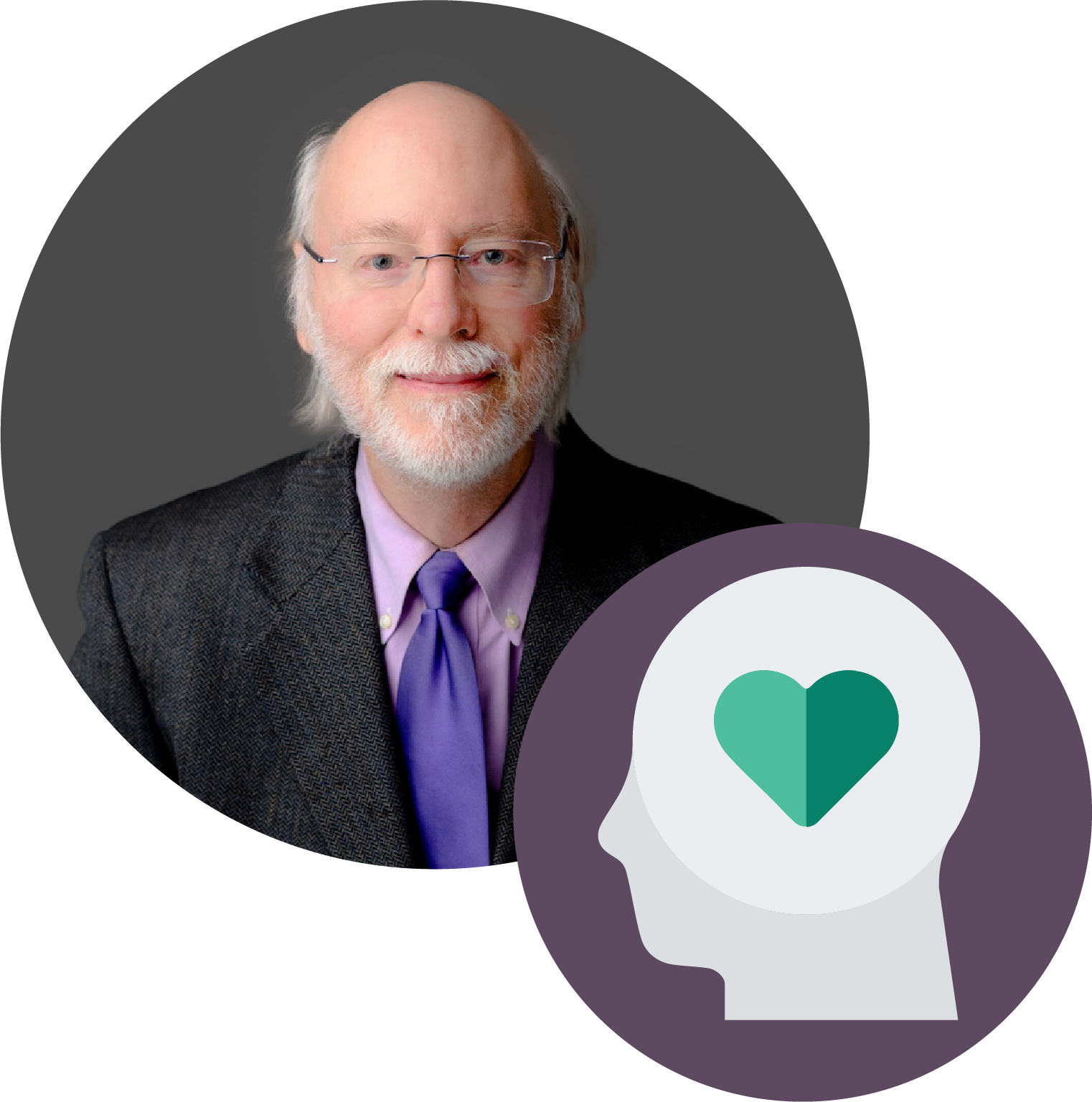
Join Us for an Informational & Experiential Workshop with Dr. William Stixrud
Open to therapists and mental health professionals. Offers 3 Continuing Education Units (CEUs).
As mental health professionals, we're caring for children, adolescents, adults, and families navigating unprecedented levels of stress and mental health challenges. While psychotherapy remains essential for addressing this crisis, hundreds of studies have shown that meditation can be an invaluable supplement for treating stress-related concerns and supporting personal development.
The Center for Family Well-Being is pleased to host clinical neuropsychologist and author Dr. William Stixrud for a workshop exploring the value and applications of meditation in modern psychotherapy — and in our daily lives. This informational and experiential workshop is held in-person, is open to therapists and mental health professionals, and offers 3 Continuing Education Units (CEUs). Following the workshop, you’re invited to stay for an informal lunch to network and continue the conversation.
Meditation: Personal Growth, Professional Application
Drawing on current research, Dr. Stixrud will discuss how regular meditation can strengthen an individual's sense of control and support emotional health across the lifespan. Participants will also examine research on mindfulness and Transcendental Meditation (TM), which have been shown to provide numerous physiological, cognitive, and emotional benefits. (Dr. Stixrud has personally practiced TM twice daily for 52 years.)
The workshop also includes experiential meditation practices led by Center therapist Elizabeth Ebaugh, featuring a guided meditation with the seed syllables of the chakras and breath, as well as Judith Blackstone's Foundational Consciousness meditation. Participants will also have opportunities to reflect on their own experiences with meditation and explore the role it can play in both their personal well-being and professional practice.
Topics We’ll Cover
Mental health challenges facing children, adolescents, young adults, and parents
The crucial role that a sense of control plays in psychological health and resilience — and the ways in which regular meditation can increase the sense of control in people of all ages
The neurological underpinnings of anxiety and mood related difficulties, as well as high stress tolerance and emotional resilience
The role of emotional contagion within families, schools, workplaces, and therapeutic relationships
The neurological signatures and benefits of different types of meditation
Ways meditation can complement psychotherapy and deepen clinical effectiveness
Meditation as a tool for reducing anxiety, mood difficulties, attention challenges, burnout, and compassion fatigue
Meditation as a lifelong practice for personal growth and professional sustainability, including helping practitioners be a grounded, non-anxious presence for our clients and families
Registration Details
Facilitators: Neuropsychologist Dr. William Stixrud, Ph.D., and therapist Elizabeth Ebaugh, MSW, LICSW, LCSW-C
Date(s): Friday, December 4, 2026
Time: 9 a.m. - Noon
Cost: $120, includes light refreshments
Optional: Informal lunch immediately following the workshop (included in cost)
Place: The Center for Family Well-Being, 5039 Connecticut Ave. NW #7 Washington DC 20008
American Psychological Association (APA) Information:
Audience: This workshop is open to all experience and interest levels.
Learning objectives: Participants completing this training will be able to:
1. Identify and discuss four primary causes of the mental health crisis.
2. Explain the difference between focused attention and automatic self-transcending meditations.
3. Identify and discuss three ways clients in therapy can gain from mindfulness practices.
4. List three benefits therapy clients can gain from Transcendental Meditation.
Number of CE Credits: 3
Instructor Credentials & Presenter Disclosure Statement: The presenter is William Stixrud, PhD, Neuropsychologist. Dr. Stixrud has no personal or professional conflicts to declare, nor any financial connections to specific products, commercial companies, or testing tools mentioned today. The Stixrud Group is approved by the American Psychological Association to sponsor continuing education for psychologists. The Stixrud Group maintains responsibility for this program and its content.
Accessibility: We’re committed to making the meeting as accessible as possible and will work directly with you to ensure that your needs are met. Please contact us directly at info@centerforfamilywellbeing.com if you have accessibility questions or requests.
Refund/cancellation policy: If you require a refund, please contact us at info@centerforfamilywellbeing.com. We’ll do our best to accommodate your request; however, no refunds will be issued within 48 hours of the workshop.
Grievances: The APA grievance officer is Susan Hammond, PhD. Her email is: shammond@stixrud.com.